PEPTIDES – HEALTH ADVANTAGE
Imagine your body is built from tiny LEGO bricks. Each brick is an amino acid. When you snap a few […]
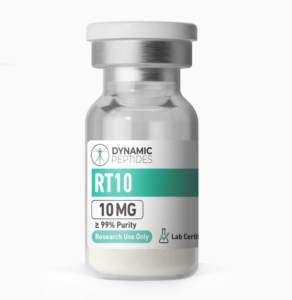
Retatrutide is an investigational once-weekly triple hormone receptor agonist — a single molecule that activates the body’s receptors for GIP (glucose-dependent insulinotropic polypeptide), GLP-1 (glucagon-like peptide-1), and glucagon. It’s informally called the “triple G” drug. It’s administered as a once-weekly subcutaneous (under-the-skin) injection.
Retatrutide is being studied in adults with obesity, overweight, type 2 diabetes, and several related conditions.
Phase 2 trial results were presented at the 2023 American Diabetes Association’s annual meeting and published in the New England Journal of Medicine. Phase 3 (TRIUMPH-4) topline results were released in December 2025, and Phase 3 results for type 2 diabetes were announced in March 2026. FDA approval, if all goes well, is estimated for late 2026 to early 2027, assuming trials remain positive and no safety concerns arise.
Retatrutide is currently in Phase 3 clinical trials. The trials are happening globally across multiple research sites.
Existing GLP-1 drugs (like Wegovy) and dual-agonists (like Zepbound) have been enormously successful, but retatrutide aims to go further. Adding glucagon receptor activation on top of GLP-1 and GIP appears to have more potent effects on appetite and food satisfaction than existing treatments.
GIP and GLP-1 tell the pancreas to release insulin after eating, lower new glucose production in the liver, slow digestion to promote fullness, and target brain areas that regulate appetite and food cravings. Glucagon normally signals the liver to make new sugar — but retatrutide’s GIP and GLP-1 activity helps keep glucagon in check, so it doesn’t cause high blood sugar. GoodRx The net effect is powerful appetite suppression, improved metabolism, and significant fat loss.
In the Phase 3 TRIUMPH-4 trial, the highest dose helped patients with obesity and knee arthritis lose an average of 23.7% of their body weight at 68 weeks — and 28.7% among those who stayed on the drug.
The drug also reduced knee pain scores by up to 75.8% and more than 1 in 8 patients were completely free from knee pain by the end of the trial.
The most common adverse events included nausea, diarrhea, constipation, vomiting, and decreased appetite — consistent with other incretin-class drugs. About 18% of patients on the highest dose stopped treatment due to side effects.
Bottom line: Retatrutide is shaping up to be the most powerful weight loss drug ever tested, potentially surpassing everything currently on the market — but it’s still awaiting FDA approval, likely in 2027 at the earliest.
Imagine your body is built from tiny LEGO bricks. Each brick is an amino acid. When you snap a few […]
At North Core Pharmaceutical, we are committed to delivering high-quality pharmaceutical solutions grounded in innovation, integrity, and scientific excellence. Our